Posts

Top 5 Must Have Things in Your Cruise Emergency Kit

Image
Even in today's time, voyaging abroad on ships is completely safe. Weather delays, storms, and disabled ships are still holding the possibility of occurrence. Being thoroughly prepared to survive and withhold during such conditions becomes essential. Prevention is always better than cure! And when you are in a remote installation or marine & offshore , being prepared helps immensely. In this blog, we will discuss the necessary list of items to pack in your emergency kit. Survival Rations: The destiny can roll its dices anytime, anywhere. A major engine room failure or generator malfunctions may halt your lavish buffet. A sudden power failure can turn everything upside down. In such unfortunate situations, having a little bag of survival rations proves useful. The high protein snacks like packs of nuts or granola bars that won’t take up a lot of space in your luggage can be a good option. Backup Power: Anp Pharma If there is a power failure on the ship, you lo...


Learn about Malaria - traveller’s risk

Image
Anp Pharma Mosquito is known to be the most dangerous insect that has caused maximum human deaths. As per the most recent estimates from World Health Organization, about 50% of the world’s population is at risk of Malaria. In the year 2015, 215 million cases of malaria registered of which resulted in 4,38,000 deaths. What is Malaria? Malaria is an infection caused in Red Blood cells (RBCs) by a parasite called Plasmodium.  Plasmodium falciparum is the most potent parasite reported to have cause Malaria. Other less known species that cause Malaria are Plasmodium vivax, Plasmodium ovale, Plasmodium malariae, Plasmodium knowlesi. Once the parasites enter your body, they mature in the liver. These mature parasites later infect the RBCs.  Commonly known symptoms of Malaria are malaise,  vomiting, and fever with chills.  Unavailability of treatment can worsen the symptoms and cause anaemia, hypoglycemia and Cerebral Malaria (obstructs supply of blood to the...

How to deal with PMS?

Image
Again, it’s that time of the month! While not every woman gets premenstrual syndrome - the cramping, bloating, and general crabbiness that can strike around period time—about 85% of women report having at least one symptom each month. And even though there’s no real "cure" for PMS, many treatments and lifestyle changes are available to help you cut down on the discomfort. Read on to find out how. Anp Pharma 1. Work on your diet - A salt-heavy diet can cause bloating, caffeine can aggravate irritability or anxiety, alcohol may worsen depression, and too much sugar can destabilize your blood sugar and mood. Try to eat more fruits, vegetables, and whole grains the week before your period. 2. Exercise more - It is recommended to have half hour to forty five minutes of moderately intense exercise e.g cardio and two muscle strengthening sessions. Also, the endorphin rush is a great cure for improving  bad mood swings. 3. Check for herbal remedies - Herbal infusio...

Why is travel vaccination important?

Image
They say, 'Prevention is always better than cure.' While travelling to another country, you are exposing your health to an unknown biological Diaspora and most importantly the new line of diseases that can cause several health hazards. So, before travelling, having the proper vaccination is imperative to maintain your health and free from any clinical attacks of bacteria's, viruses or protozoa. You may come into contact with various diseases based on the countries you are visiting. For instance, yellow fever vaccine is a must if travelling to certain countries in Africa, Central America, or South America. Also, some vaccines may be required for you to travel to some locations. Protect yourself and your community by getting vaccinated before you travel.             Anp Pharma To minimize the risks of becoming seriously ill while travelling abroad, you should find out in advance whether any specific immunizations is recommended...

Why is antimalarial prophylaxis important?

Image
Every year, around 300–500 million people contract malaria and about 3 million die, most of which are children who are under five years. In sheer numbers, malaria kills 3,000 children per day under the age of five. The total number of deaths readily exceeds that from AIDS. After Tuberculosis, Malaria is easily the world's largest parasitic disease, killing more and more people every day. As we know, Malaria is one of the oldest pathogens which is posing a threat to the human population since the birth of the agriculture. Antimalarial prophylaxis Even being such a potent disease on the face of the earth, there is no post-disease vaccine available for protection against malaria despite the decades of research. Antimalarial prophylaxis is one of the newly surfaced modes of protection against the Malaria which offers an alternative approach that provides reliable protection against malaria. Antimalarial prophylaxis offers protection against clinical attacks of malaria especi...

Malaria - a rising global threat

Image
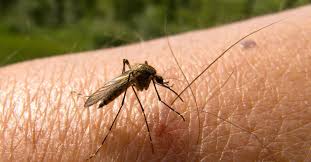
Despite its small size, the mosquito is the most dangerous animal to have caused maximum human deaths. According to the most recent estimates from World Health Organization, about 50% of the world’s population is at risk of Malaria. In the year 2015, 215 million cases of malaria registered of which resulted in 4,38,000 deaths. What is Malaria? Malaria is an infection caused in Red Blood cells (RBCs) by a parasite called Plasmodium.  Plasmodium falciparum is the most potent parasite reported to have cause Malaria. Other less known species that cause Malaria are Plasmodium vivax, Plasmodium ovale, Plasmodium malariae, Plasmodium knowlesi. Once the parasites enter your body, they mature in the liver. These mature parasites later infect the RBCs.  Commonly known symptoms of Malaria are malaise,  vomiting, and fever with chills.  Unavailability of treatment can worsen the symptoms and cause anaemia, hypoglycemia and Cerebral Malaria (obstructs supply of bloo...